

Never Forget Our Stories
We Give Hope To The Fighters 🧡 Honor The Memory of Those Lost

The first memory of my life is the day my parents told my brother and me that another little sister was coming. Eight years younger than me, I remember every stage of her growth: the first steps, the first words, and the first teeth. I saw her become a little woman, year after year: school, studying together, her first outings, taking her around in the car when she didn’t have the driving license yet, the first boyfriends and the first inevitable cries for love. Shopping together, singing and dancing in the kitchen, arguing, doing makeup together in the bathroom. She was there in everything: like the sun that rises every morning and lights up the day, without you even noticing it because it is obvious that it is there, and will be there, the next day and the day after too.
We had recently returned from New York, the vacation that I will always remember as the most beautiful of our lives. Alessandra would soon turn eighteen. She had had neck pain for a few weeks, but the doctor had thought it was a contracture during volleyball training. But the days passed, and the pain didn’t stop, dizziness and loss of balance were added. After some new exams, on March 8, 2017—a week after my sister’s eighteenth birthday—we received the news that changed our lives forever: Alessandra had a mass in the brain.
I can’t explain in words what it feels like at certain moments. In an instant, you realize that the sun, that same sun that rises every morning and lights up the day without you noticing because it is obvious that it is there, can suddenly risk turning off. They were days and nights of confusion, tears, fear, and calls with doctors (I did not yet know that we would have lived many, too many days and nights like these), which ended with what was good news: the mass (which at that time I still hoped might not be a tumor) was in an operable position.
It seemed like the best news in the world. At that moment, I learned how your whole life can truly be hanging by a thread—how every other concern can vanish and lose any importance when someone you truly love has to face something like this. Alessandra found out everything when they confirmed that she could be operated on; she was shaken, but at that moment, she showed for the first time that strength, determination, tenacity, and maturity that so surprised me in the years to come.
On Friday, March 17, Alessandra underwent the operation. In Italy, Friday the 17th is a day that traditionally brings bad luck, but my sister saw it as a positive sign because that number had always brought beautiful things to her. The operation lasted eight, interminable hours, and we lived in fear that any of the things that the team of surgeons had warned us about could happen: that Alessandra could never wake up, be paralyzed, go blind, or have irreversible brain damage. But the operation went well: the 17th, it really brought us luck.
Alessandra came out of the operating room on the couch, very tired, still a little asleep from anesthesia, with her head all bandaged and a long scar along the back of the head and neck. “Mom, do I have crooked eyes?” she asked, because of all the things the doctors had said, she was most concerned about the possibility of having crooked eyes. My parents burst into tears that had something liberating and something desperate at the same time. Their little girl was alive, talking, reasoning, moving, and seeing with her usual beautiful green (and straight) eyes.
From that moment, our life with hospitals began. When a child or teenager gets sick, the whole family does too. The disease decides and marks the rhythms, the days, the plans, the mood, the life of all family members. There is nothing else. A piece of positive news, even a small one, makes everyone euphoric, hopeful, and positive. Bad news demeans, crushes, and buries the patient, the parents, and the siblings. There is no other way.
Alessandra stayed in the hospital for a few days, but she had a very quick recovery that surprised even the doctors. Two days after the operation, she was able to walk on her own, and after less than two weeks, she returned to school. Then came the diagnosis: “I’m sorry, Alessandra has a medulloblastoma.” My sister had a very aggressive cerebellum cancer. It was a pediatric cancer and, as she was 18, it was a rare case. Shortly thereafter, she would have more than 30 cycles of craniospinal radiotherapy and then chemotherapy.
There was a lot of news to understand, digest, and metabolize. I had just landed in a world I didn’t know except by hearsay. I didn’t even know what radiotherapy was. Until then, all tumors were the same and chemotherapy was used for all, always one and always the same. A new world had just opened up to me, which on the one hand scared me a lot, but on the other, it gave me hope. The path that awaited us was long and painful, but it was a path.
In the blink of an eye, Alessandra became a woman. She had gone from being my little sister—funny, sweet, and lazy with school—to being the bravest and most mature person I had ever known. Radiation therapy began, and vomiting, mood swings, back pain, headaches, nausea with it. Her beautiful, long, and beloved blonde hair began to fall out. To avoid seeing them falling, she wanted to cut them. I still remember her big eyes and the tears held back as she watched her hair being cut strand by strand. She didn’t want to cry: with her proud look, she repeated to herself that she had a very serious and very aggressive tumor, her hair would grow back, and we had just bought a wig made especially for her with real hair identical to hers. She didn’t have to cry, she was convinced. But for a girl of eighteen, beautiful, courted, in the middle of her life, hair is important. Seeing yourself bald is seeing yourself sick. It was seeing herself as different, not only from others, but also from what she had always been: the usual Alessandra who always wanted to have fun, go out with her friends, sing, play volleyball, travel and go to the cinema with her boyfriend. Instead, the summer and the months that followed were made up of hospitalizations, radio sessions, chemotherapy, and hair shaved by her boyfriend.
Those were long and difficult months, but even in such a moment a spark of beauty continued to shine: we were united in facing this avalanche that had hit us. It was the five of us, ready to give all of ourselves to ensure that Ale could heal. And the good news arrived: the first MRI after a year of therapy showed no signs of illness. The tumor was gone!
It had been tough, but we made it. Ale was fine: she went to school, resumed playing sports, started a careful diet that doctors had recommended to us, and even stopped wearing a wig. A few months later, she told me that 2017 had been a difficult year for her but not a bad one because she felt loved so much. I will never forget that. I was so proud of her, we all were. In such situations, one can feel powerless. In those months, I had spent days looking at the needles in my sister’s skin, the bruises, the dark circles, the transfusions, and the chemotherapy bags being emptied drop by drop. Despite the effort and dedication, the whole family may put into it, the result is never certain: will the therapies be taking effect? Will the tumor still be inside her? These questions wear you down and they simply cannot be answered until the doctor calls you to report the results of the MRI. But if there was one small thing, which is not that small, in which we actually had a little power: it was to make my sister feel loved and supported. And we did it.
Months went by. Alessandra graduated from high school on a July afternoon, beautiful as the sun with short hair, and wearing a flowered dress. She discussed a thesis on cancer that she wrote with the help of our brother and me. She was delighted with her final grade: she had finished high school with a well-deserved 70. I used to tell her, every time she felt down: Alessandra, do you realize what person you are? What have you done? At 18, you faced something that most people will never face in a lifetime, managing to graduate without losing a year. Do you realize the strength and value you have? Wiping her tears, she nodded and hugged me. I never got tired of telling her what an example she was to me. I was eight years older, but I could only learn from her, and she had to know and be aware of how special and unique she was. She could go through everything in her life, and she truly deserved to conquer the whole world.
2018 was a happy year. Every three months there was a new MRI to keep us in suspense, but every time it ended with a “there is nothing!” shouted happily by my beautiful little sister.
Until December 2018.
A few weeks before Christmas, the fear that had never left us came true. With a call, the doctor decreed: “the tumor is back.” A straight, hard punch in the stomach. I started shaking and punching the world. That damned tumor had returned to haunt my sister’s body and eat her from the inside. If possible, this second time was even worse than the first: suddenly, we were brought back to the bottom of a well from which we had painfully come out. We had to fight back that frightening monster, this time with more fear, already tired, and with fewer resources. Ale discovered it the next day, and once again she gave proof of her infinite sweetness and her infinite love: she was worried about us, she told us not to worry. She would have done what there was to do this time too, step by step. Sometimes, being positive was really difficult. The words of courage I said to her were probably addressed to me too. But we had learned to deal with everything, day after day. Every story is different, each patient is a case itself. We had to put together all the courage and all the strength of this world and fight together with Alessandra, once again.
It was a difficult year, more than the first time. Cyber-knife, chemotherapy, and resonances. Metastases that went away in one area created space for others that formed elsewhere. And again, cyber-knife, radiotherapy, resonance, rachicentesis. And despite what was happening, Ale managed to get her driving license and attend a university exam. It was the art history course of Fashion Design, and I still remember my sister’s proud face when she said to me, “Lella, can you believe I scored 29/30?”
Alessandra was tired, tired, tired. And I felt exhausted, physically and psychologically. Furthermore, if I was so sick, how was she feeling? My brother, my parents, and I were devastated. Our existence depended on my sister’s health. And if we felt that way, what could Ale feel? Despite all the love, all the support, and all the help, it was her body that was struggling. It was her life that was at stake. Thinking about how she might feel made me feel a hollow stomach pain in my chest. At her age, I was on Erasmus in Spain, while she was going in and out of hospitals fighting for her life. My most serious problems were my university exams and quarrels with my boyfriend: her’s was simply surviving. I would have done anything to take her place, to be on the bed with the drips attached to the veins instead of her, but I couldn’t. I couldn’t do anything, and that impotence once again crushed me.
We clung to the doctor’s words with all the possible strength and hope. In all of that darkness called tumor, the doctor who knows more than you and is doing everything to save the most important person in your life, almost becomes a deity. And hearing right from the mouth of this divinity that he no longer knows what to do, is like receiving a straight stab in the chest.
Then, in November 2019, our endless and daily prayers seem to have been heard. The latest resonance shows no trace of the tumor. Between tears and with hearts freed from that immense weight (even if never completely, because fear never leaves you), it was Christmas, and we had the most important reason of all to toast to. The night of December 24th, Alessandra and I stayed up until 6 in the morning chatting. We didn’t know it then, but this would be our last Christmas together. I will never forget that night.
In February, we went to Rome for a weekend. We walked 15 km a day, ate typical dishes, and visited all the churches and works of art that Ale had studied and that she proudly explained to us. But that euphoria, once again, was cut short once we returned to Milan. A new resonance, a few days after her 21st birthday, showed two new small lesions, this time in the head.
My sister was angry. She wasn’t sad, she wasn’t tired, she wasn’t disappointed, she wasn’t worried: she was just angry. Very, very, very angry. And she was right: there was no single reason in the world that could justify what was happening to a girl who had always faced everything without complaining, without betraying fear, without making the pain weigh on others. In the hospital, when people much older than her arrived to start cycles of chemo or radiotherapy, she would try to cheer them up, “you’ll see, little by little, the nausea also passes.” She had been an example of courage, determination, strength, selflessness, and faith to everyone. And how had it all been repaid? With two other metastases in the head.
She underwent again laser surgery which had worked on her a year earlier. But shortly thereafter, with a speed that did not give us time to realize what was happening, everything fell apart. She felt dizzy more and more often. There were more and more episodes of loss of balance, and it became difficult for her to walk. A further resonance showed the disease had spread over the head and back. There was nothing more to do.
Pain therapy would begin palliative chemotherapy and morphine as needed to control the pain. I felt drunk. I couldn’t believe what was happening. My brother and parents explained what was happening to Alessandra, who seemed to immediately apprehend what she was told. It didn’t seem possible to me what I was experiencing: not to my family, not to my sister. Alessandra was the sun that rises every day and lights up the day without you even noticing, because it is obvious that she is there. She could not be dying. I couldn’t even pronounce the words “death” and “die.” Even today, in saying and writing them, it seems to me that they do not really belong to our story.
My brother and I contacted any hospital anywhere in the world looking for new therapies, innovative treatments, experimental protocols. We reached out to every hospital. Despite the coronavirus, we were ready to do anything, anywhere in the world. But each day was a little worse. Little by little Alessandra was no longer able to walk independently. She vomited several times a day and could not even take medicine. She had a back pain that did not go away, even with high doses of morphine. I had never seen her like this. She suffered. She suffered so much.
She tried to keep her unique and engaging sense of humor, but each day the situation was more troubling. We changed hospitals: another oncologist in Milan had offered us an alternative treatment option, reminding us, however, that a relapse of medulloblastoma cannot be cured. They told us very clearly what we should expect, but we wanted Alessandra to feel better, and as probably always happens in these situations, everyone hopes and thinks that their maybe their case will be different. That there are many children and many young people who do not make it, but Alessandra is Alessandra, and she will make it. It was a thought without any foundation except that of love, fear, and blind hope, and I repeated it to myself like a mantra every day at any time.
Things improved, but if the back pain subsided, the vomiting continued. One day, Alessandra almost fainted. We rushed her to the hospital, where she was operated on for hydrocephalus. A tube was inserted into her head that drained into the stomach the excess fluids that were causing these disturbances.
The hardest months ever followed. Alessandra could only move with the help of a wheelchair. She had to be helped to go to the bathroom, to take a shower, and after a while, also to eat. She never lost her unmistakable sense of humor. She laughed and joked, and we with her, but the smiles couldn’t hide our desperation. She used to take more than ten pills a day. Our days were marked by medicines and our weeks by the meetings with doctors, psychologists, physiotherapists, nurses, and hospital visits. There was nothing else and the lockdown imposed by COVID-19 helped to create this nest of protection and dedication for my sister’s growing needs. For me, it was an honor to help her when she needed it most. I didn’t want to do anything else. But seeing my beautiful 21-year-old sister no longer recognize her body and having to ask for help to do what was part of her daily life a few months ago is the greatest pain I’ve ever experienced. Alessandra never lost her sense of humor and dignity, just as she never stopped showing the pure and unconditional love she felt for us.
On the morning of August 10th, after having chatted with difficulty with my mother, she told me to cover her because she was feeling cold. It was the last time I heard her voice. A few minutes later, she fell into a strange sleep that alarmed us so much, we called an ambulance. Alessandra had gone into a coma, and her journey was unequivocally coming to an end.
The five of us spent 5 days in the hospital, 24 hours a day. Ale was asleep, attached to machines that ensured that her passage was peaceful and painless. The doctors could not explain what exactly had happened, the disease had probably affected parts of the brain that managed vital functions. These were intense, infinite, surreal, sad, desperate days, but also very intimate, in which we talked a lot to Ale. We remembered things, we made promises, we sang for her and listened with her the songs that had characterized those 21 years together. Her hand was never released, one of us was always holding and caressing it.
On August 15th, in the sweetest and lightest way in the world, Alessandra flew away. It was the day of Mary’s Assumption, and my parents saw it as a sign. It was over. Ale was no longer physically with us. I remember every moment, every smell, every sensation. Her beautiful face, the suspended breath, not feeling anything. The last years had been so painful and exhausting, that at that moment, the thought that she was no longer suffering relieved me. It is a thought that I still have today, even if now it hardly manages to contain the sadness and the sense of injustice. As soon as it happened, I was really comforted by the fact that her pain was over, and that she can now continue free and serene wherever she is.
Today, I have to force myself to remember this thought, because her absence is so heavy that sometimes I feel unable to breathe, and I cannot find meaning in what happened or in what I am and will be. But every morning, some days with more difficulty than others, I repeat to myself that all the suffering, pain, courage, strength, and unconditional love of my sister cannot be in vain. That it must serve something. And that it must help me avoid the risk of living a selfish life, now that, thanks to her, I have discovered what the true essence of life is, knowing the deepest pain, but also the deepest love. The day will come when no child, no boy, no girl, and no family will have to live what we have lived, and this will be possible also thanks to you, my beloved Alessandra.

I see myself as an athlete, friend and a voice for courageous kids. Before my diagnosis my only visits to the pediatrician were for yearly shots and I laugh now about how worked up I got about those shots. Life was different then, but through my faith and the support of others my life has changed, but it is the life I was meant to live.
My diagnosis was at the age of 12 and symptoms presented themselves as morning vomiting and double vision. It went away for two months and then I was diagnosed with Medulloblastoma brain cancer on Feb 3rd, 2014.
I am grateful for having a treatment plan that people invested in years before me, and I am raising funds for the families in the future so that they will have better outcomes and more HOPE.
I have passionately been working with my community to bring awareness, support to families and fund research since the day I was diagnosed. When you decide to go public and share your journey that is the day you have started bringing awareness. The stories that I have about how good people are and how they want to help is endless. I am most proud of my alliance with American Cancer Society in that they believe in my mission and adapted my #GoldTogether initiative nationally as of November 2018. All Relay for Life events can have a #GoldTogether childhood cancer team and 100% of the funds raised are dedicated to childhood cancer awareness, support and research. The best part is how we can empower children in their community and there are no limits on what they can accomplish. My motto is “everyone can do something to help kids battling cancer” and this is my way of making it happen.
Currently, I am a senior in High School, and I have been allowed to share my story of how faith got me through the cancer challenges. I hope that this will help kids going through whatever they are facing.
I am grateful and have hope that together, we will see the changes we want to see.
Cole Eicher
Stay in touch through https://www.cancer.org/goldtogether.com
*If anyone reading this has been diagnosed with the APC gene mutation or FAP – reach out to me because one year after my treatment was over I was diagnosed with having the APC gene mutation (it was sporadic and not heredity related for me) and it resulted in having my colon removed. I had a wonderful surgeon and do not have a colostomy bag. I was able to return to the active lifestyle I had before and would be happy to help anyone who is facing this situation.
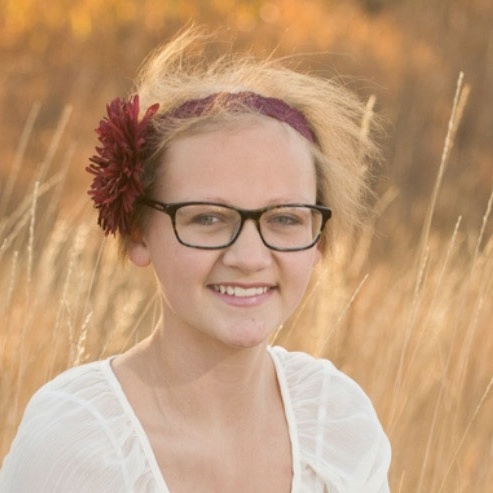
We took the best family vacation the summer of 2021. We spent four and half weeks on the road marveling at national parks, hiking up mountains, enjoying the Oregon Coast, and creating amazing memories with many families and friends. Little did we now our sweet Millie had a tumor wreaking havoc on her little brain the whole time.
You couldn’t tell. She was great in the car, loved all the hiking and being outside, was just pure joy. But almost immediately after returning home a few days before the start of the school year, we noticed that Millie was not acting like herself. She wasn’t as happy as she usually was, she wasn’t as talkative, she didn’t like to crawl or climb up the stairs, and she just refused to walk. She just wanted to be held. All the blood work we did came back negative, but when Millie developed a nystagmus in her left eye, we headed back to the pediatrician. 24 days after getting home from our epic roadtrip, Millie was diagnosed with Medulloblastoma at the age of 16 months.
Millie’s largest brain tumor was the size of a small orange and multiple smaller nodules surrounded it. She had to have two brain surgeries within just a few days to get it all out. Following her surgeries, she had five very intensive rounds of chemotherapy every two to three weeks. All involving hospital stays and time away from her three older sisters—Lucy, Sadie, and Willa.
We knew fevers were common during treatment and how serious they were, and we were very fortunate that for the first few months of Millie’s therapy she didn’t get any fevers. That is until Christmas Eve, when we had to head into the hospital by mid-afternoon. We had just gotten home a few days earlier from round four of chemotherapy. Our older daughters cried as we pulled out of the driveway, worried for Millie and worried we’d be in the hospital for the rest of Christmas break. We were able to come home five days later but being away from the girls for Christmas was very difficult.
Millie had an autologous stem cell transplant in February of 2022. It was the hardest few weeks of her cancer journey, but it seems to have been a very successful procedure and she exceeded all expectations, being able to leave the hospital 22 days after her transplant despite a septic scare about 14 days into the transplant. We were so grateful her release was weeks sooner than we had anticipated and that she’s continued to have clear scans since her release, including most recently an MRI of her brain and spine at the end of June.
Matt and I let out big sighs of relief when the oncologist gave us the good news. We both admitted later on the drive home that we felt like we couldn’t let all the air out of our lungs with that sigh. There is a heaviness inside of us, a worry that Millie’s cancer will come back. I suppose we are likely to carry that heaviness with us for a long time though we hope it will get a little lighter as time goes on and that we learn to live in the best possible way with it. We will repeat the scans again in three months. Just enough time for us to settle into the rest of summer and hopefully forget about those scans before they sneak up on us again.
Millie’s most resent labs also looked great and appear headed towards what would be considered “normal” range. That was also encouraging. Unfortunately, though there are no signs of cancer in the scans, Millie’s brain does have effects from the brain surgeries and all the hard, intense chemo she got. We will be meeting with her neurosurgeon soon so he can go over in more detail what that all means and what we can expect from these changes to her brain going forward.
Millie’s diagnosis has forever changed each of us. We really don’t know exactly the full extent of how her cancer treatment will affect her and what long term side effects she will have. Right now, we are just trying to adjust to a new normal. Millie is getting help with occupational, physical, and speech therapy. She is the happiest of girls, and absolutely loves chasing her three older sisters around the house. She still loves being outside, reading and being read to, playing with dinosaurs, and listening to all kinds of music. She makes us laugh every day and we are continually amazed by her strength and bravery.
If you want to read more about Millie’s journey, you can check out her CaringBridge site: https://www.caringbridge.org/visit/milliespring

Blake was diagnosed after having symptoms of just vomiting for about 3 months. January 30th he woke up and couldn’t walk. He was taken to Blank Childrens hospital in Des Moines Iowa where a cat scan revealed a mass in the back of his brain. He was then transported to University of Iowa Stead Family Children’s hospital where he began his journey.
Blake had his first surgery to remove fluid from his brain. He then had an extensive MRI which confirmed the tumor along with tumor cells up and down his spine.
Blake has had 3 brain surgeries including his tumor removal, a shunt placed and his initial surgery. He has had two spinal taps along with a chemo port placed.
He went through 6 weeks of radiation with one day of chemo each week. He has now completed 4 months of chemo with 2 remaining.
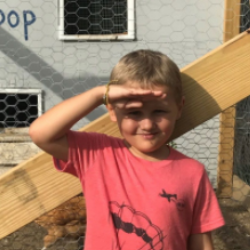
The week before Thanksgiving 2016 was unknowingly the start of our fight. Cooper came down with what we thought was a virus and as his “stomach bug” symptoms disappeared we joyfully moved into the excitement of the holiday season. December 9, 2016 was the day that would change our lives forever.
Cooper had a side step and dizziness that brought him to tears. I assumed his vision would be the cause, after all his dad had glasses at his age. But after 3 doctor visits we heard the dreaded words your child has a brain tumor. After one and half years of treatments including multiple surgeries, chemotherapy, radiation and PT/OT to relearn how to walk/talk and swallow we were sent home to navigate our new normal of monitoring reoccurrence and manage side effects.
Today Cooper is in 7th grade, marking almost six years post treatment with clear MRI scans and doing well. We still feel as if we are pretending to be “normal” while knowing our journey is not fully over– reminded by each MRI scan, each endocrine appointment, each hearing test, each neurology exam, each ophthalmology check, each IEP meeting, each medical history form…
We will forever remain changed from this experience!

Levi is a 9 year old baseball loving kid with the most infectious laugh, and the biggest heart. Is April of 2022 Levi was diagnosed with Medulloblastoma. He went through 2 back to back 6 hour brain surgeries, 6 weeks of radiation, and finishing up his 7 months of chemotherapy. Levi hasn’t stopped smiling or thinking of others during his journey. He truly deserves the world!
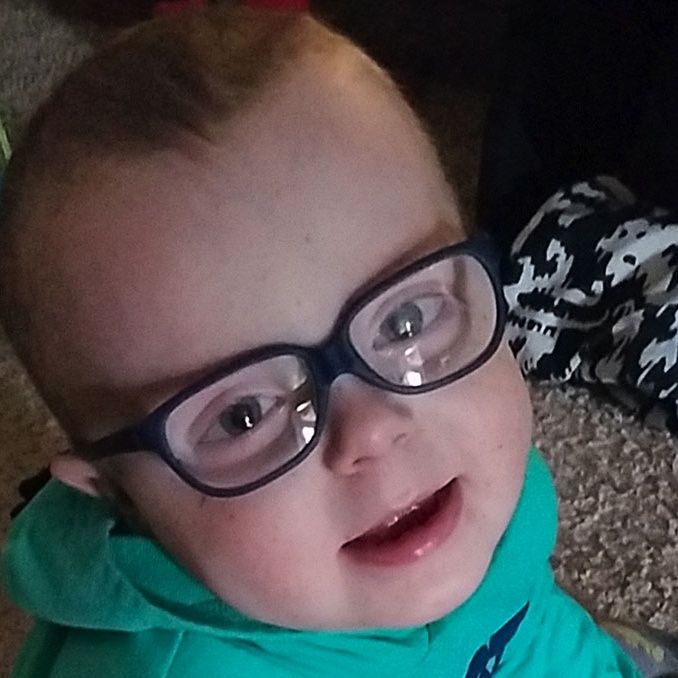
At 2 months of age, we thought Carson was blind. At 4 months of age, we were referred to Neurology to investigate his hypotonia – he wasn’t progressing as he should. His head circumference grew 9 cm since birth, he couldn’t hold his head up, his vision was poor, and he was like a limp noodle with lack of muscle development.
All results came back perfect, but his MRI at 6 months showed some malformations in his cerebellum which would explain his symptoms. Our PT noticed his soft spot was taut (not quite bulging), so we were sent per neurologist through the ER for a shunt to be placed four months later. CT confirmed hydrocephalus, but they ordered an MRI to compare as it was a large buildup in such a short time frame and wanted to compare same imaging technique. The next morning as I was bed bathing my 10-month-old, the doctors came in and said we needed to talk.
I continued bathing Carson until the doctor demanded we sat down (as the nurse was pulling in two chairs). My heart dropped to the floor. I was expecting something awful, but never thought I would hear “Your child has cancer.” It hit me like a rock. So, the next day, we were sent for removal and biopsy. The surgeon only got about 50% of the tumor. Luckily, there was no spread. 3 weeks later, we started chemo. We were only out of the hospital for maybe 20 days during the first three “outpatient” cycles.
We followed with three high dose rounds with triple autologous stem cell transplants. He was so, so sick during the six months of treatment – so nauseous and weak but in such good smiley spirit! The bulk of the tumor still remained so we were referred for proton radiation. A second tumor removal was performed, and it was completely successful (all the cells were inactive! – the chemo killed it!!), but we still went for proton radiation as per suggestion by both teams for risk of relapse to drop significantly (his tumor was super aggressive as in 4 months it was not traced to completely blocking his 4th ventricle).
We completed 6 weeks of proton radiation to tumor bed only. He is now almost 4! Conquering every obstacle in his way! He had strabismus surgery in both eyes to correct his eye alignment post-treatment. He can walk independently with his walker. He is just starting to verbalize some! He knows all his colors, letters, numbers and shapes.
He still receives all services – pt, ot, speech, and feeding therapies. He goes to school part-time. He is our true hero!
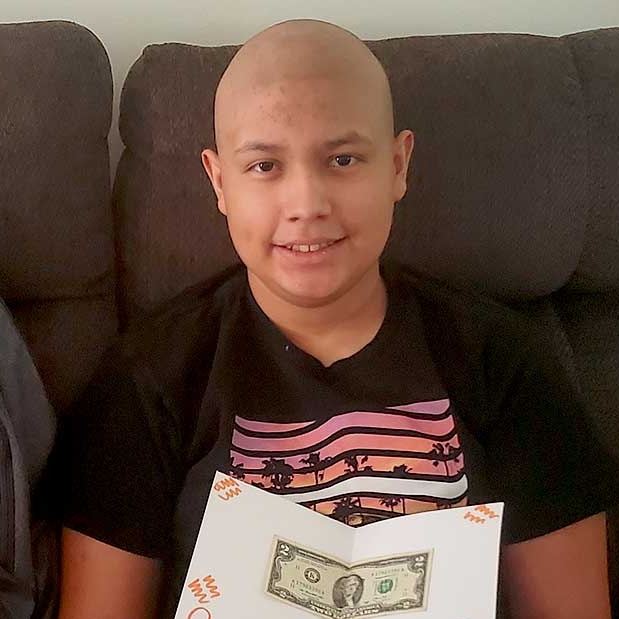
I just want to say thank you and your family for everything you do my son Derik was diagnosed with medulloblastoma December 2 2019 he is 13 years old and currently he is starting his second chemotherapy tomorrow.
I just finished reading Carson’s book and my son is just starting to read it. As a mom this is the scariest thing my worst nightmare… my heart goes out to you and your family💜 Thank you for continuing helping kids like my son for contributing to finding a cure for this cancer. Blessings to all of you �?

Luke Garrett Sutherland-Hamilton, 6 years old, was diagnosed on October 9, 2018, with a brain tumor. It was removed the next day and found to be Metastatic Medulloblastoma, a rare form of pediatric cancer. Luke was signed up for a St. Jude’s Trial as quickly as possible while healing from his surgery and waiting to begin treatment. He was to have 30 proton radiation treatments and then another 7 cycles of chemotherapy.
Luke’s doctors felt like he had a better than fifty percent chance of survival. He celebrated his 7th birthday in the hospital. A little over three weeks after being admitted into Cooks Children’s Hospital in Fort Worth, Luke was allowed to go home, although suffering from left sided deficits as a side effect from his surgery. A few days after being discharged from the hospital, Luke began having terrible pain in his neck.
The pain turned out to be the regrowth of the tumor that was originally removed from his brain. It caused swelling in his brain in two areas. Luke’s doctors couldn’t believe the rate of growth of the tumor and believed he likely had a gene that hasn’t been discovered yet. After heroic attempts to save his life using proton radiation, Luke succumbed to his illness within two days of being readmitted, on November 9th.

Carson had a bold, charming confidence, an indomitable spirit, and a disarming smile that would warm a room. Most of the time during his 3+ year Carson vs. cancer battle, he had a smooth bald head that undeniably shouted cancer. He walked with courage, grace and dignity every step of his valiant battle. On January 12, 2010 he took his last breath and stepped into Paradise.
Carson was a freshman in high school when he came home and said he “felt weird.” Since weird is a little difficult to diagnose, we took note but weren’t worried — he was a 14-year old boy! Then he began to talk about a sore neck, kept getting sick every morning, so back and forth to the doctors, specialists and for 3 weeks, no one could figure out what was wrong.
Then THAT day, exactly 3 weeks from telling us he felt WEIRD he said, “I feel REALLY WEIRD, I think I’m seeing two of everything.” We called one of those specialists, who called ahead to the Children’s Hospital. We jumped in the car, threw on the flashers and didn’t slow down until we arrived at the Emergency Room, Carson was immediately triaged.
Two hours and one scan later, the doctor invited us down the hall to that private room. I’ll never forget staring into her face, hearing words like brain tumor, brain cancer, neurosurgeon, oncologist, chemotherapy, radiation then we saw the scan of that GOLF BALL sized TUMOR; I fell to my knees and wept.
Along the way, Carson kept a journal of his fears, dreams and loss of dreams, and as he became weaker and weaker, he asked his English teacher to help him put his heart into words. When cancer was relentless and we’d searched the world for a cure that is yet to be discovered, Carson said “mom, promise that my journal gets published.” His thoughts are raw and true and honest, Carry Me was published 6 days before he died, it’s in the Library of Congress and we’ve sold over 50K copies.
At the VERY end, he whispered “mom, make sure they study those tumors in my brain, because if those tumors can help some kid someday not die from cancer like I am, I’d like that — it’s hard to have cancer.” We launched a Foundation that bears his name, and the cureMEdullo research initiative — proceeds from Carry Me go to “study those tumors.”
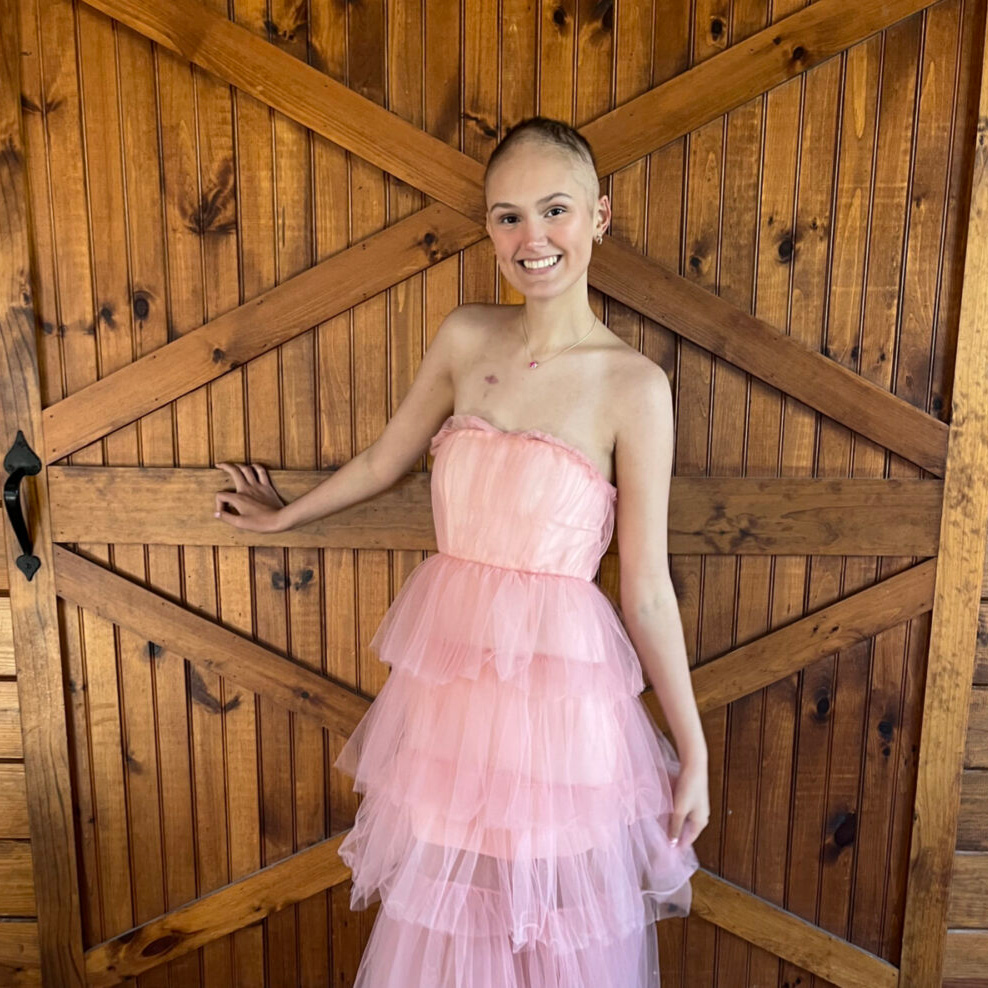
Ella was a normal teenager that loved school, basketball, her social life, and her family. Ella started to complain of headaches in March of 2021.We took her to the doctors who then referred us to a neurologist she passed all of the neurological tests, her only complaint were headaches; they thought possibly dehydration. We scheduled an MRI on April 22, 2021, and that’s when our life changed forever! Our poor daughter had a brain tumor that had also spread to the back of her brain. Ella was diagnosed with medulloblastoma subtype Sonic Hedgehog and unfortunately the molecular make up of this tumor was LCA,MYCN amplification and TP53 somatic which makes this particular type of cancer hard to treat. Ella had surgery 5 days later followed by 30 rounds of radiation and 4 months of chemo. Chemo wreaked havoc on her body, she completed chemo Nov. 2021 and continued to get stronger went to physical therapy to help her work through drop foot caused by chemo. Ella was looking forward to going back to school and was hoping to play basketball with her high school team. On June 16, 2022 Ella relapsed had surgery again, followed by radiation she will have her port replaced so she can begin chemo in September 2022. Ella has never given up hope she loves spending time with her family and still has very high hopes of going back to school to begin her sophomore year. We can only hope that one day there will be a cure for this terrible disease to help our children survive. #ellastrong
Ella Bresee, 15, of Urbana, Maryland, passed from this life on Thursday, September 15, 2022. The past 15 years have been the best years of our life because we were able to have you as our light. Ella’s life was cut tragically short after a diagnosis of Medulloblastoma. Throughout the last 17 months of her life she bravely fought this disease in which she often conquered.
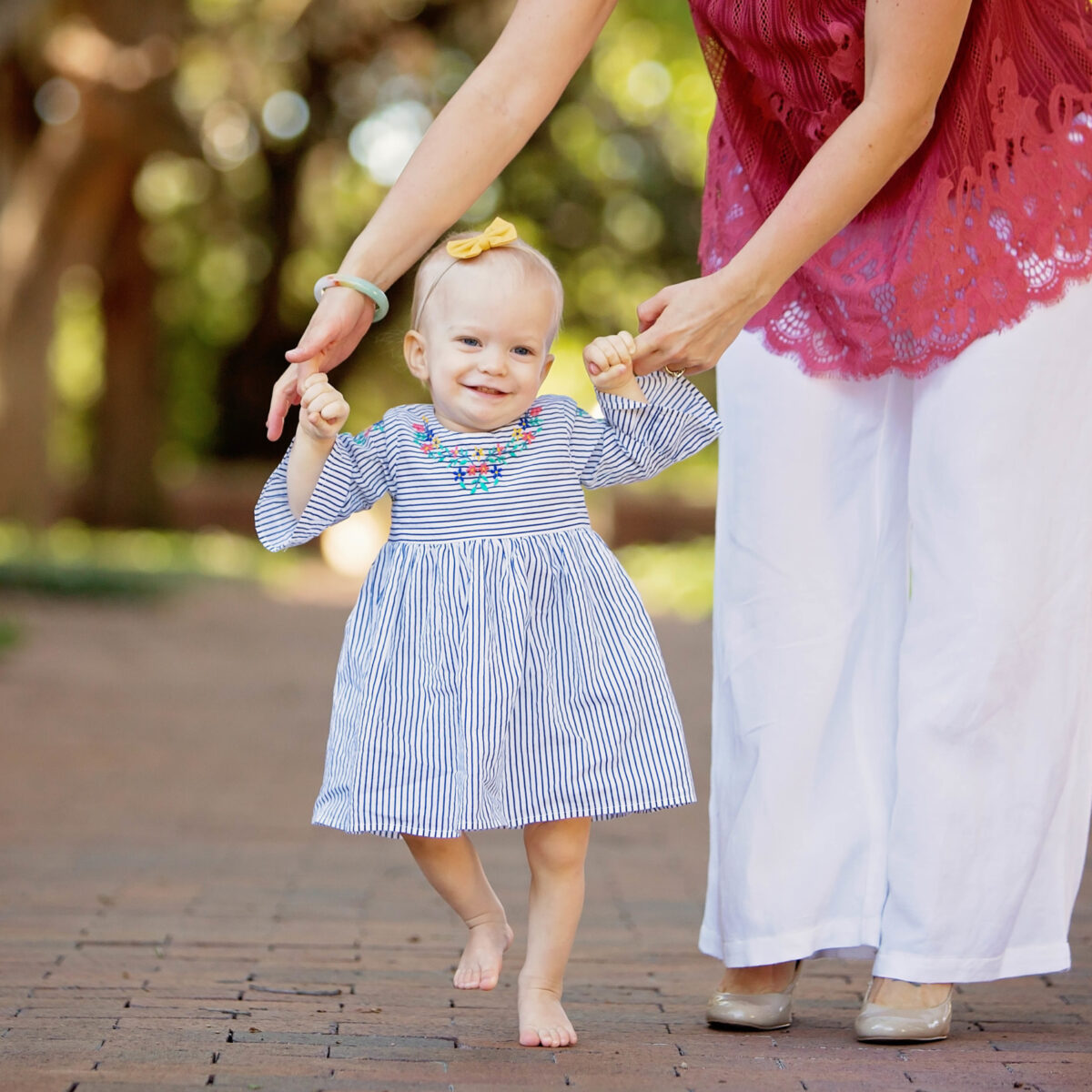
We took the best family vacation the summer of 2021. We spent four and half weeks on the road marveling at national parks, hiking up mountains, enjoying the Oregon Coast, and creating amazing memories with many families and friends. Little did we now our sweet Millie had a tumor wreaking havoc on her little brain the whole time. You couldn’t tell. She was great in the car, loved all the hiking and being outside, was just pure joy. But almost immediately after returning home a few days before the start of the school year, we noticed that Millie was not acting like herself. She wasn’t as happy as she usually was, she wasn’t as talkative, she didn’t like to crawl or climb up the stairs, and she just refused to walk. She just wanted to be held. All the blood work we did came back negative, but when Millie developed a nystagmus in her left eye, we headed back to the pediatrician. 24 days after getting home from our epic roadtrip, Millie was diagnosed with Medulloblastoma at the age of 16 months.
Millie’s largest brain tumor was the size of a small orange and multiple smaller nodules surrounded it. She had to have two brain surgeries within just a few days to get it all out. Following her surgeries, she had five very intensive rounds of chemotherapy every two to three weeks. All involving hospital stays and time away from her three older sisters—Lucy, Sadie, and Willa.
We knew fevers were common during treatment and how serious they were, and we were very fortunate that for the first few months of Millie’s therapy she didn’t get any fevers. That is until Christmas Eve, when we had to head into the hospital by mid-afternoon. We had just gotten home a few days earlier from round four of chemotherapy. Our older daughters cried as we pulled out of the driveway, worried for Millie and worried we’d be in the hospital for the rest of Christmas break. We were able to come home five days later but being away from the girls for Christmas was very difficult.
Millie had an autologous stem cell transplant in February of 2022. It was the hardest few weeks of her cancer journey, but it seems to have been a very successful procedure and she exceeded all expectations, being able to leave the hospital 22 days after her transplant despite a septic scare about 14 days into the transplant. We were so grateful her release was weeks sooner than we had anticipated and that she’s continued to have clear scans since her release, including most recently an MRI of her brain and spine at the end of June.
Matt and I let out big sighs of relief when the oncologist gave us the good news. We both admitted later on the drive home that we felt like we couldn’t let all the air out of our lungs with that sigh. There is a heaviness inside of us, a worry that Millie’s cancer will come back. I suppose we are likely to carry that heaviness with us for a long time though we hope it will get a little lighter as time goes on and that we learn to live in the best possible way with it. We will repeat the scans again in three months. Just enough time for us to settle into the rest of summer and hopefully forget about those scans before they sneak up on us again.
Millie’s most resent labs also looked great and appear headed towards what would be considered “normal” range. That was also encouraging. Unfortunately, though there are no signs of cancer in the scans, Millie’s brain does have effects from the brain surgeries and all the hard, intense chemo she got. We will be meeting with her neurosurgeon soon so he can go over in more detail what that all means and what we can expect from these changes to her brain going forward. Millie’s diagnosis has forever changed each of us. We really don’t know exactly the full extent of how her cancer treatment will affect her and what long term side effects she will have. Right now, we are just trying to adjust to a new normal. Millie is getting help with occupational, physical, and speech therapy. She is the happiest of girls, and absolutely loves chasing her three older sisters around the house. She still loves being outside, reading and being read to, playing with dinosaurs, and listening to all kinds of music. She makes us laugh every day and we are continually amazed by her strength and bravery.
If you want to read more about Millie’s journey, you can check out her CaringBridge site: https://www.caringbridge.org/visit/milliespring
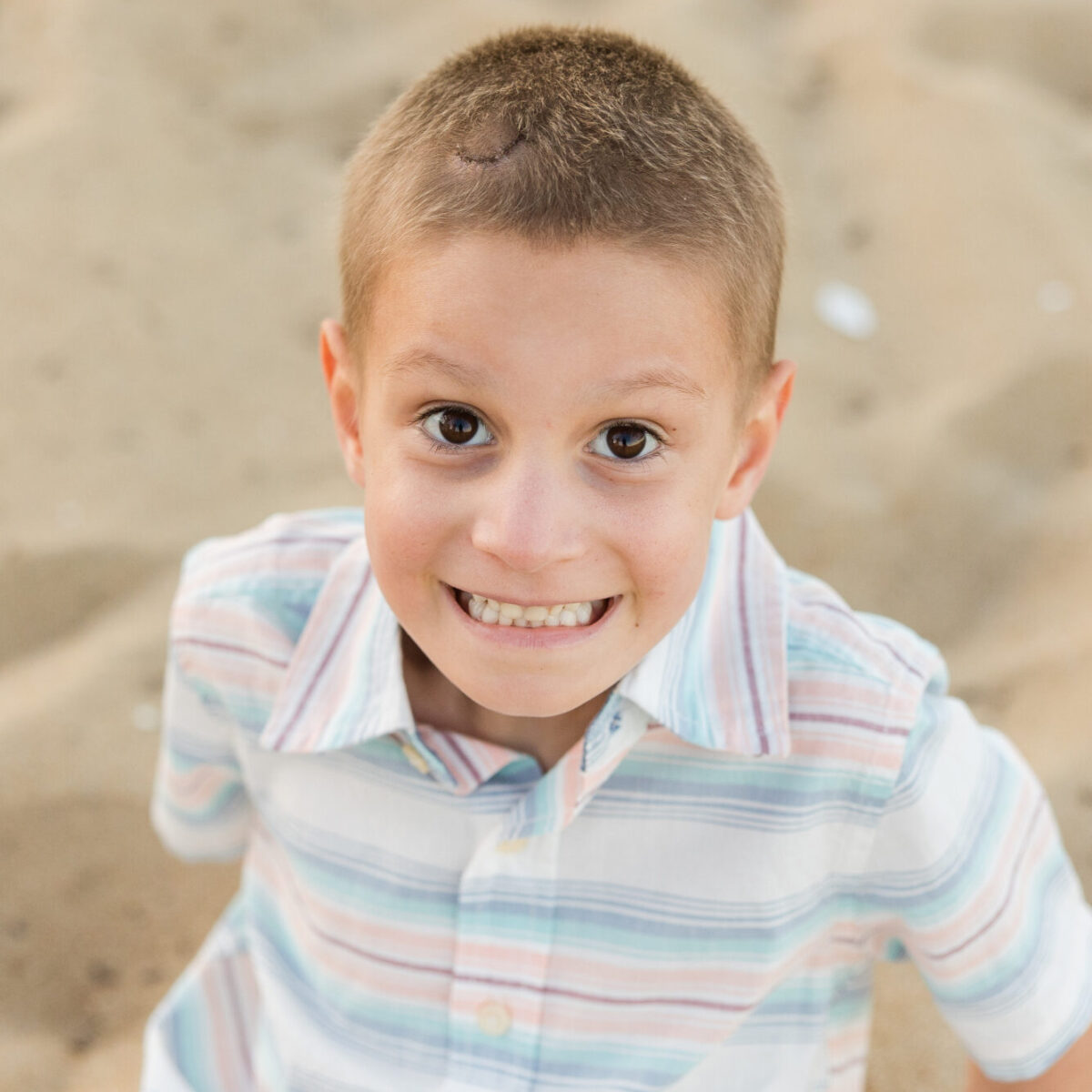
I was driving Paxton’s sister home from her art therapy appointment when she said, “You know Mom, Paxton is a legend.” “What do you mean he is a legend?” I asked her. “Well, he was a hero.” He most certainly was my hero. Paxton had courage and strength that transcended ordinary people. He had a humorous and caring personality that endeared him to so many people. Through all the trials he endured he kept smiling; he kept making people laugh. He brought joy to other people.
Paxton fought bravely for two years. During those two years, I was often worried that Paxton’s personality, which I loved so much, would be lost as a side effect of surgery, or chemo, or radiation, or even the difficult journey. I feel lucky that his personality never changed. Paxton celebrated his fourth birthday eight days after a craniotomy surgery that removed the medulloblastoma tumor from his cerebellum. He couldn’t walk without help at that point and he was still in pain, but he gave his family a huge smile for his birthday photo.
Paxton eventually got stronger and was able to walk again. His brain surgeon was amazing, the damage to his cerebellum was minimal and minor compared to some of the other side effects that could have happened. The loss of some coordination and strength didn’t slow him down and didn’t upset him until a couple years later when he started realizing he was slower than his friends on the school playground.
Paxton spent the summer of his fourth year of life in and out of the hospital for chemotherapy treatment and fever protocol. The doctors decided to treat him with what they called the “baby brain” protocol; intense chemotherapy first, then radiation second. They did this to delay radiation, hoping to help minimize the side effects of radiation on a young brain. The nurses and staff at the hospital were fantastic, even though we spent days upon days in the hospital, Paxton was happy. As much as a kid can be when they are often vomiting or being woken up for midnight showers to wash away Thiotepa (a chemo that is partly excreted onto the skin surface).
Paxton’s favorite thing to do at the hospital was ride his Apple Machine (a green Ezyroller). When his port “tubey” wasn’t hooked up to fluids he would zip around the hallways without me. Sometimes he would wear a Fire Chief coat and blow his fire horn while proudly showing off the badge the hospital staff had made him. The badge looked like the one all the staff wore, but Paxton’s said his job was “Fire Truck Driver.” On the days Paxton was hooked up to his IV pole he had to move slower, because I would be running after him trying to keep up while pushing the pole down the hallways.
Nighttime in the hospital was always the hardest for me. That was the time when I would lie next to Paxton as he fell asleep, and I would allow myself to cry. During the day, it was always easier to focus on the present and not look too far into the future but while snuggling against his warm body in the quiet, darkness of the hospital room, my mind would start to ask questions about the future. One of the questions that often came was “Would Paxton ever get to go to kindergarten?” Going to Kindergarten was an experience that I wanted him to have. It is a quintessential part of what I imagined his childhood would include.
The months between September, when he finished the intense chemo, and August, when I snapped that first day of kindergarten picture, were challenging but also mixed with fun and laughter. Paxton spent six weeks receiving daily sedation to keep him perfectly still during radiation treatments. I expected the six weeks of daily anesthesia to be miserable, but he loved his “sleepy medicine.” He loved the child life specialist and the sedation team that took care of him everyday. He made them laugh with all the jokes he shared and the silly things he did, and they would share jokes with him too.
“Why does a duck have tail feathers?” Paxton asked. “To cover its butt-quack!!”
He celebrated his fifth birthday during radiation treatment. The radiation team threw him a shark themed birthday. They decorated his room with balloons and gave him shark sheets and a joke book. He had so much fun that he was actually sad when radiation treatment ended. He was sad because he didn’t get to see the people he called his friends anymore, and he didn’t get his morning naps. Yes, a five-year-old boy made lots of friends with adults. His laughter, his smile, his hugs, and his kindness brought them joy and happiness.
In the summer before kindergarten, the medulloblastoma cells started growing into tumors again. He had relapsed. Despite months and months of chemotherapy and through weeks of high dose radiation the medulloblastoma cells survived. We opted to have Paxton undergo yet another surgery to have an Ommaya reservoir placed so he could receive chemotherapy directly into his CSF. We were scared about another surgery, and we wondered what other kids would say about the Ommaya when he started kindergarten. Luckily, we had the same neurosurgeon that had performed his craniotomy and Paxton was fine. The Ommaya and the surgery site were smaller than we thought they would be, and Paxton never said anything to indicate he was being made fun of. The only time he complained about the Ommaya was when the kids were learning how to do front rolls in gym class. Paxton couldn’t do them because it hurt to put pressure on his Ommaya.
On one of the first days of kindergarten, his teacher had all his classmates answer this question: In kindergarten, I want to learn to_______. Paxton’s answer was “help other friends.” Paxton didn’t live long enough to graduate with his classmates from kindergarten, but his teachers say that he was very good at sharing his love with friends and teachers. He was “always coming up with very nice things to say, and for that he was so loved by his peers.” A note from another teacher said, “Paxton, thank you for always spreading your cheerful spirit. You brought laughter, love, and sunshine into our lives.”
Even in the last couple weeks of his life his beautiful personality, his humor, and his kindness still shone. During the months he was receiving chemotherapy through his Ommaya, there were medulloblastoma cells building tumors in his hip and in his jaw. The size and pain from his hip tumor made it hard for him to walk. I had to carry Paxton from place to place. The pain didn’t stop him from showing how much he liked “help(ing) other friends.” When his cousin came inside the house bleeding on her knee, he insisted that he be picked up and carried into the kitchen where the bandages are kept. He sat on the kitchen floor administering Neosporin and placing a bandage over the boo-boo.
We donated to cureMEdullo in memory of Paxton. By donating to research to find a cure for medulloblastoma we hope that the money will do what Paxton wanted to do, “help other friends.”
Paxton’s sister, Hannah, said another profound thing one night not long after her brother died. In the darkness of her room, we talked about life and death. We talked about how much we miss Paxton. At one point Hannah said, “Paxton didn’t live a long life, but he lived a good life.”
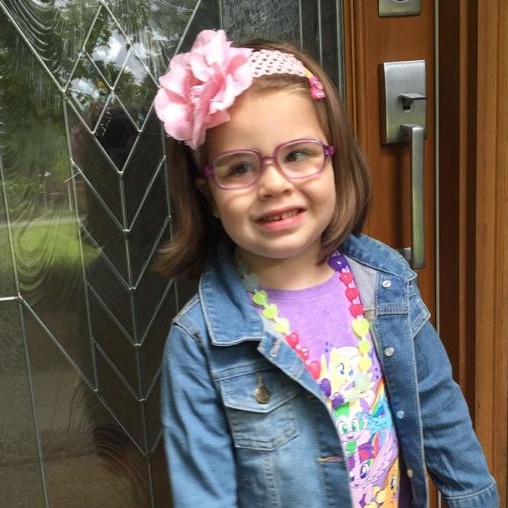
Like most Moms, I started Monday, December 5th , 2016 after a weekend birthday party for one of my two children a little exhausted. More tired than a normal as we had been worried about our two year old daughter, Teagan (aka “Sweet Tea”) , who had been puking up bile in her crib during the night now for almost four weeks. During the day she would rally and eat and play like a normal two year old but the puking would not subside during the night. The doctor’s office thought at first it was nasal drip and then two weeks later thought it might be acid reflux.
Finally after being exhausted from showering her two to three times a day and changing sheets every day, I took her in again to the Doctor on the morning of Teagan’s birthday party. I was not able to see our regular Doctor because it was Sunday but this Doctor said she is not sure what may be going on but asked when we follow up with our regular Pediatrician. I let her know we would see her in a week and she said to make sure we follow up with this appointment as we need to give more time for the acid reflux medicine to work. As we packed up our stuff to leave the doctor’s room, this Doctor informed me that sometimes when there is puking and loss of balance this can sometimes indicate a brain tumor. Of course this made every hair on the back of my neck go up. I asked her quite directly why she was telling me this. She got a little defensive and just said that is it very unlikely but she just felt the need to make sure to tell me all scenarios. I left the office a little perturbed because I did not understand why this Doctor was telling me about a brain tumor when she said it was highly unlikely.
Following the doctor’s visit, we came home and had Teagan’s 2nd birthday party. It was Teagan’s favorite at the time, Elmo theme. It was a small family party at our house and Teagan did a great job keeping up with her party. Others noticed she was more clingy than normal and did not have as much energy. Typical Teagan was determined enough though to eat her birthday lunch and blow out her candles. Towards the end of the party though she began throwing up her food. She continued to just lay on my shoulder following and did not want to play the rest of the night. We put her to bed early and at 2am we heard her puking up bile again in her crib. We cleaned her up and then put her back to bed. I laid back in bed and could not get the “brain tumor” conversation out of my head. I could not sleep so I emailed our pediatrician in the middle of the night with my continuing concern.
I woke up the next morning and headed into work. Sleepy and a little worried but figured we would figure this out eventually. An hour after getting to work, I got a phone call from Cathy, our pediatrician. She had read my email from early this morning and urged me to take Teagan to Seattle Children’s Emergency Room. I dropped everything and came home to get Teagan and my husband and headed to the hospital. Thank goodness my husband was home to go with us. I was going to just take her myself, but we decided to both take her there given she was now throwing up anything and everything we tried to give her.
We drove to Seattle Children’s the morning of December 5th and they got us right into an ER room. As any Mother walking their baby into ER would be, I was on the verge of tears. Once they sat down with us and I explained her symptoms I began to cry. I knew there was something not right. The ER doctor who I will never forget says to us, “ER doctors always have to think worse case scenario. Kids who are puking and have loss of balance sometimes can have brain tumors. We as ER doctors always think worse case scenarios. We are going to take a CT scan of her head and then will be able to let you know the results in 45 minutes.” I continued to cry and Jeff carried the conversation. This was now the second time I had heard “brain tumor” from a doctor about my baby.
We took Teagan for the CT scan and she did great as she was very lethargic. We were told we would need to wait 45 minutes but within 10 minutes the ER doctor and another nurse came in to our ER room. We both knew it was not good news. The ER Doctor had in his hand a photo copy of her CT scan which showed a large brain tumor covering the entire back of her head which spanned her entire brain stem. We were in shock.
That afternoon the surgeons at Seattle Children’s operated to relieve pressure on the brain. Before doing so, they talked with us and warned us that this operation has the potential to cause blindness for Teagan if the pressure in her head releases too quickly. We signed the consent acknowledging this and thankfully the stint was installed and relieved pressure in her brain without causing blindness. Teagan was a champ and after getting rid of that headache she was smiling and laughing. While she was still under anesthesia, she had an MRI which provided helpful information for the surgery.
The next day, Tuesday (12/6), one of the nation’s premier pediatric neurosurgeons, Dr. Ellenbogen, led the 9.5 hour surgery to remove the malignant tumor. I have never waited so long in my life. Jeff and I sat in this small room not knowing what to do or think just waiting for hours. Surgery finished at 11pm and Teagan was able to rest peacefully in the intensive care unit with the help of a breathing machine over night. The procedure was most scary because of the location of the tumor which touched and spanned the entire brain stem. The doctors had prepared us for all possible outcomes (death, paralysis, blindness, etc). Following surgery, Dr. Ellenbogen came out and spoke with us. He informed us that they were able to take the entire tumor out (full resection) and that the tumor was cancerous. He said it was most likely either Medulloblastoma or Primitive Neuroectodermal tumor (Pnet). He told us our daughter had less that a month to live if they had not removed her brain tumor as she would have likely stroked and died.
We both sat with her through the night and into the next day, not knowing if she would be able to move her limbs, see or breathe on her own again but just thankful she was still alive. Teagan woke the next morning but was not moving the right side of her body. That morning they took her to get an MRI very early in the morning. They didn’t tell us at the time but they were worried she had stroked and lost usage of her right side of her body. Thankfully after the MRI results came back they explained they were not sure why she wasn’t moving her right side of the body as it could have been that she was overmedicated so she wouldn’t pull the breathing tube out of her mouth overnight or it could have been from the fact that the tumor was situated on the right side of her brain which possibly could have had this impact on her right side of her body. They told us she has ataxia (tremors) on her right side of her body but that this should improve with time though never go away completely.
The following day, Thursday (12/8), Teagan reached our her arms for the first time in two days and looked at me and said, “Momma”! My heart felt like it was rescued and the relief we both felt was intense (in a good way). Later that week we met with our new oncologist, Dr. Geyer, and the two Nurse Practitioners on the brain tumor team to learn more about what was to come. We found out it would take until early the following week to find out the official type of cancer. They told us Teagan will have 6 months of chemotherapy with an additional 6 weeks of radiation at the end. They asked us if we would be ready to start chemo before Christmas and we found out that technically she could start the day after Christmas and still be in the correct time window of receiving treatment. We decided to start her chemo on December 26th, the day after Christmas.
We stayed inpatient for three weeks after her surgery as they slowly turned the drain down to see if her brain could reabsorb the cerebral spinal fluid. We quickly learned that Teagan could no longer walk on her own after surgery. They told us they are hopeful she will be able to learn again but did not give any false promises as they said we will have to wait and see if she is able to walk again. She also was having inconsolable fits due to the brain surgery in addition to all the steroids she was receiving to keep the swelling in the brain down. They called this Posterior Fossa Syndrome. They gave her heavy pain medications to help stop or minimize these fits as they would go on for hours with nothing anyone could do to console her.
Thankfully turning down the drain appeared to be working and they were able to take out the tube in her head to try and allow her brain to drain on her own. We were finally allowed to go home. Within two weeks she began to show signs of discomfort where she was screaming, puking, and inconsolable. Very early one morning, Teagan woke up puking so we brought her into the clinic that morning. By the time we were able to see a doctor, Teagan was still breathing but was no longer moving her limbs or responding. They diagnosed Teagan with Hydrocephalus. Hydrocephalus is a condition where there is an accumulation of cerebral spinal fluid in the brain. Without treatment, which is shunt placement for this condition, death can occur. As Teagan was not responding they scheduled an emergency surgery to put in a shunt to allow the cerebral spinal fluid to leave the brain. Thankfully they were able to schedule both her shunt and double Hickman catheter surgery under the same anesthesia. Teagan received a double Hickman catheter line which is a long thin tube which was inserted into her vein in her chest. It allowed Teagan to receive her chemotherapy drugs as well as blood draws out of these lines so she did not have to be poked multiple times on a daily basis for months.
Chemotherapy spanned a 6 month time period from December 26th and her last dose of chemotherapy was administered on Mother’s day on May 14, 2017. Teagan’s chemotherapy included 6 rounds of chemotherapy inpatient stays of 5-9 days. Teagan had a plethora of chemo drugs administered to her through these six months. The first half of her chemotherapy was three rounds and she was given the same drugs for all three rounds. The second half, three additional rounds, she was given was a whole new set of chemo drugs.
I am not sure how better to put this but chemotherapy was a long and extremely rough journey. Little did we know but as we walked in to start round one of chemotherapy our daughter had somehow caught Norovirus (extreme vomiting and diarrhea). As we walked into the hospital, she began to vomit. This vomiting and diarrhea did not end for the next three weeks while in the hospital. I remember clearly wondering to myself how we were going to make it through six months of this imagining every round to be this difficult.
We soon learned that the inpatient chemotherapy stays were the most predictable parts of our life. It was when we went home and waited for the next 7-10 days while her immune system disappeared and we cautiously checked her temperature regularly to see if any infections were brewing that was most difficult. Hour to hour we did not know whether we would go to sleep and sleep at home that night or if we would need to go to ER in the middle of the night. There were many a night were Teagan would wake up puking and we often had to go to ER to see whether this was her shunt or chemotherapy side effects.
The hardest part about the chemotherapy was in between her treatments where her immune system would “tank” and she have no absolute neutrophil count (the white blood cells that fight against infection). During this time we could not have Teagan around any other children and had to stay at home away from any other potential germs. At times, we had to keep her and her brother apart in the house if he had a cold in an effort to try and not spread germs.
Throughout Teagan’s chemotherapy she got the Norovirus twice, Respiratory Synctial Virus (RSV) once with temps reaching 105, Clostridium difficile (c-diff) which is extremely stinky and fierce diarrhea, mucositis (painful inflammation and ulceration of the mucous membranes lining the digestive tract), and the hives. In addition, her shunt was adjusted in December as the Norovirus symptoms appeared as if her shunt was not allowing enough cerebral spinal fluid out of her ventricles in her head so they opened up the drain to allow for more drainage. Four months later as we lay next to Teagan when she did not wake up and slept for three days straight, we found out her shunt was over draining. I remember staring out the window wondering if we were going to lose our baby at this point as her eyes had gone crossed, she was not talking, she was not eating, she was not moving her limbs, and she would only lay flat. The Oncologists were questioning the shunt and the Neurologist were questioning the side effects of chemotherapy and no one could quite figure it out.
We finally were able to take her home after she was able to keep down a little fluids and food. She came home and immediately continued to lay flat for the entire day on the floor. I stared and began praying as I was beside myself wondering if we would get our baby back. My husband spent hours researching on the internet. He figured out from two studies he found that her shunt was likely over draining. We called our Neuro-Oncology Nurse, Casey, that day and we were able to get her in to adjust the shunt and close it back up to 1.0. Exactly 24 hours later, Teagan’s eyes uncrossed, she began to talk, she wanted to walk, and she came back to us. It was truly amazing to watch this unfold she was getting plateletts in clinic.
Teagan’s last round of chemotherapy she was able to not return for an inpatient hospitalization despite catching c-diff diarrhea and the Corona virus (cold) without an immune system. This was truly miraculous! Teagan got three weeks off before beginning 6 weeks of proton radiation where she was put under anesthesia every day for 6 weeks straight for a total of 30 sessions. The reason she was put under anesthesia was so she could stay completely still while under the 196 ton “rocket ship” Proton machine while it meticulously delivered protons to the back of her head where the tumor bed was prior to when they removed it.
Unfortunately, 3 months after receiving proton radiation, Teagan got radiation necrosis (side effect of proton radiation). She had been working hard at learning to walk again but slowly she was losing the ability to stand, could not walk, her eyes crossed, and she was not able to talk. The necrosis was next to her brain stem, so we now had an additional potentially terminal diagnosis added to her plate. Thankfully they treated her with Avastin and Dex at Seattle Children’s hospital immediately and it stopped the spread of necrosis for the time being, but she still had lost a lot of her gross and fine motor skills as well as speech.
We searched the country for additional healing treatments and thankfully found pressurized hyperbaric oxygen therapy at Rocky Mountain Children’s Hospital in Denver, Colorado. We moved to Denver for 2 months where she received daily treatments in the hyperbaric oxygen chamber and began seeing immediate healing.
Since moving back Teagan continues to receive physical therapy, occupational therapy, speech therapy, neuro acupuncture, hippotherapy (horse therapy), and neurofeedback. We do everything we can to help aid healing in her brain. She is an incredibly loving and happy child. We are so grateful to have our daughter still with us and every day we are grateful to have our family together. We have learned that finding a cure is not just about finding the right medicines but also includes an incredible amount of care coordination to increase the quality of life for our daughter. We are incredibly hopeful but also acknowledge the reality of how much our typical developing two year old daughter’s life has been changed forever. We value connecting with other families who have been through a similar journey and support #cureMedullo in their efforts to advocate and spread awareness for others about Medulloblastoma.
During the early days of first grade, we notice a change in Valerie’s behavior, physical ability and cognitive ability. She was consistently tired and irate and tripped frequently. Although she was a strong-willed child, she was throwing uncharacteristic temper tantrums and showed regression at school, even writing her number backwards.
At the time we had a 5 month old baby and, unfortunately, associated some of her early issues to possible sibling jealousy and that maybe she was trying to imitate her baby sister to call our attention.
Eventually, her physical exhaustion combined with some new physical changes, such as a droopy eye and slowness of speech made us realize something was horribly wrong.
On March 9th 2005 we expressed our concern to our pediatrician who gave us an immediate appointment. She noticed dilation in her eyes and weakness of the left side of her body. Her doctor, suspecting the worst, immediately order an MRI of the brain and 3 hours later our daughter was diagnosed with a large brain tumor which was in contact with her cerebellum. Those few words from the radiologist turned our life upside down. I could only equate the feeling to that of utterly shattered dreams.
We found ourselves in Dallas and away from our families, with a new born child and a seriously ill daughter. We needed the best hospital, doctors and nurses to care for our beautiful girl. Her doctor referred us to Children’s Medical Center in Dallas. Valerie was admitted the same day she was diagnosed but we had to wait for 5 days for the swelling on her brain to be controlled so she could have brain surgery. After almost 8 hours of surgery the neurosurgeon came out of the OR to notify us that Valerie had brain cancer.
Her treatment involved about a year of chemotherapy and radiation managed by her wonderful pediatric oncologist. She required surgery to repair crossed eyes as a result of surgery and she would eventually require physical, occupational and speech therapy.
After treatment, she was declared in remission as there was no sign of the tumor. Although, she had to complete her treatment protocol, these were the best news a parent could ever wish for.
Unfortunately, she’s had to live with many adverse side-effects from her life-saving treatment. She is considered learning disabled due to mental processing speed and short-term memory problems, which also lead to slow speech. She also suffers from fine motor control, balance and strength problems.
Nevertheless, Valerie is now a 20 year old beautiful, hardworking, responsible young lady. She finished high school with a certificate because a full diploma was out of her reach due to her learning disabilities. Thankfully, the school district offered an internship program at a hospital and, as a result, she earned her high school diploma. She is currently working as an assistant teacher in a day care and is learning how to drive. The verdict is still out on the driving.
As parents, we are grateful for everything her doctors, nurses and researchers did to save our daughter’s life. But we can only hope that further research on the matter of childhood cancer will someday lead to, not only more effective treatments, but less barbaric treatments with no permanent side-effects.
The stories of our heros have all started in a different way, but medulloblastoma has created a common thread. Our kids deserve so much more than what this disease has granted, they deserve hope for a brighter future.
News
Filter
A Legacy of Love and Action: Celebrating Annette Leslie’s 15-Year Journey
A Legacy of Love and Action: Celebrating Annette Leslie’s 15-Year Journey
Read MoreDallas Nonprofit Funds Innovative Work to Prevent Medulloblastoma
Dallas Nonprofit Funds Innovative Work to Prevent Medulloblastoma
Read MoreKids in the Battle
Kids in the Battle
Read MoreCancer Survivor Spotlight: Grace Mosby
Cancer Survivor Spotlight: Grace Mosby
Read More
Good news of the day: the Carson Leslie Foundation supports children with cancer during the pandemic
Good news of the day: the Carson Leslie Foundation supports children with cancer during the pandemic
Read MoreCloser To The Cure With Cooper Martin
Closer To The Cure With Cooper Martin
Read MoreChildhood Cancer Community Gives a Toast
Childhood Cancer Community Gives a Toast
Read MoreFighting Childhood Cancer on a United Front
Fighting Childhood Cancer on a United Front
Read MoreNewsletter
Want to get all the latest updates about Carson Leslie Foundation? Join our email list today!

